Merton Council rules for roadside floral tributes Mitcham
Posted on 10/10/2026
Merton Council rules for roadside floral tributes Mitcham: a practical guide for families, friends and local residents
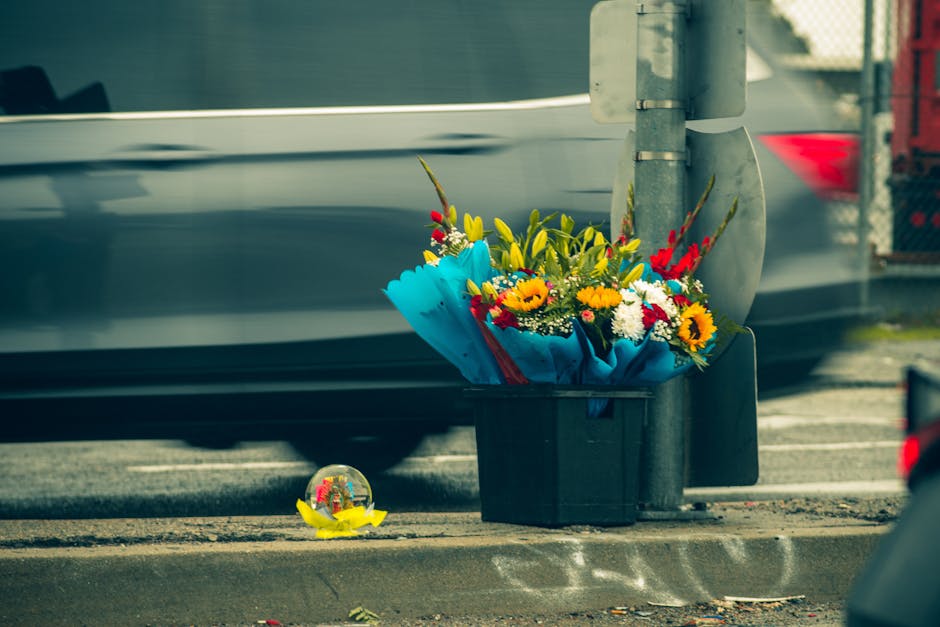
If you are looking into Merton Council rules for roadside floral tributes Mitcham, chances are you are dealing with a difficult moment and trying to do the respectful thing. A bouquet tied to a lamppost, a wreath placed near a junction, or a cluster of flowers left where someone lost their life can feel deeply important. It is a small gesture, but it carries real meaning.
At the same time, roadside tributes sit in a public space. That means safety, access, maintenance, and local authority responsibilities all come into play. This guide explains the practical side in plain English: what roadside floral tributes are, why councils care about them, how they are usually handled, and what you should think about before placing one in Mitcham. No fluff, no jargon. Just the kind of clear guidance you want when emotions are high and time feels short.
We will also cover sensible alternatives, common mistakes, and a checklist you can use before you act. If you need flowers for a memorial, a sympathy gesture, or a more formal tribute arrangement, this article will help you make a calmer, better-informed decision.
Why Merton Council rules for roadside floral tributes Mitcham Matters
Roadside floral tributes are not just decorative. They often appear after a sudden death, a serious collision, or a community loss, and they can become an important focal point for grief. In Mitcham, as in the rest of Merton, the challenge is balancing that human need with the fact that pavements, verges and street furniture are there for everyone.
That balance matters more than many people realise. A tribute placed too close to the carriageway can create a hazard for pedestrians, cyclists or drivers. It can also obstruct routine street cleansing, grass cutting, inspections, or repair work. Even when the intention is heartfelt, a poorly placed arrangement can be removed for safety or maintenance reasons. Truth be told, that can feel upsetting if you were not expecting it.
Understanding the local approach helps prevent that clash. It gives families and friends a way to act with care, and it reduces the risk of flowers being moved, damaged or taken away sooner than expected. It also helps you make decisions that are more likely to be respected by neighbours and passers-by. And yes, in a local area like Mitcham where roads, junctions and footfall vary a lot, the exact spot really does matter.
Key point: a roadside tribute should be treated as a temporary memorial in a public place, not as a permanent installation. That one idea explains a lot of the practical rules around it.
For families planning a tribute that sits outside the roadside context, it can be useful to look at more controlled options such as funeral flowers in Mitcham or specialist tribute arrangements that are designed for remembrance rather than street placement.
How Merton Council rules for roadside floral tributes Mitcham Works
Although councils usually deal with these situations on a case-by-case basis, the underlying approach is fairly consistent. Merton Council has to weigh up public safety, highway management, cleanliness, and sensitivity to bereaved families. That means there is rarely a one-size-fits-all answer.
In practice, roadside tributes are often tolerated for a period of time if they are placed safely and do not interfere with the road, footway, or visibility. But a council or its contractors may need to intervene if the tribute becomes a hazard, blocks access, or starts to deteriorate. Wet weather, wind, and traffic can turn a simple floral display into a mess much faster than people expect. One windy afternoon and it can look very different, let's face it.
Here is how the process usually works in real life:
- A tribute is placed at or near the location where the incident or loss is being remembered.
- Flowers may be left for a short period if they are not obstructing anything.
- If the tribute grows large, spills onto the pavement, or creates a safety issue, it may be moved, reduced, or removed.
- In some cases, council or highway teams may clear the area while trying to preserve what they can with care.
- Families or friends may then choose a safer, more permanent memorial alternative.
The important thing is not to assume that because a tribute is heartfelt, it will remain untouched indefinitely. Councils have duties, and those duties do not disappear because the occasion is emotional. That said, many people handling these situations do so with sensitivity. It is rarely a cold or mechanical process, despite how it can feel from the outside.
If you are arranging flowers with a local florist, using a reliable local option such as a florist in Mitcham can make the practical side easier, especially if you need something done quickly and with care.
Key Benefits and Practical Advantages
When handled thoughtfully, roadside floral tributes can offer real comfort. They give people a place to pause, reflect, and say goodbye in a way that feels immediate and personal. There is also a strong community aspect. Neighbours often recognise that the flowers are a sign of loss and respect the space accordingly.
From a practical perspective, understanding the rules brings several advantages:
- Less risk of removal: a safer tribute is more likely to be left alone for longer.
- Better dignity: neat, well-placed flowers look more respectful and less like litter.
- Less stress: you are not left wondering whether the tribute will cause a problem.
- Clearer decision-making: you can choose between roadside placement, a home display, a church memorial, or a funeral tribute.
- Improved community acceptance: people tend to respond better to tributes that do not block access or create clutter.
There is also a subtle benefit people often overlook: a well-chosen floral tribute can be more emotionally lasting when it is part of a wider act of remembrance, rather than a rushed roadside gesture. A simple wreath, posy, or spray can be a lot more meaningful when it is selected carefully. You notice the difference, even from a distance.
If the tribute is connected to a funeral or memorial service, a dedicated arrangement like funeral flowers or a more specific item from the funeral collection may be a better fit than leaving flowers on the roadside.
Who This Is For and When It Makes Sense
This topic is relevant to a few different people, and they do not always think of themselves as the same audience. In reality, roadside tributes affect families, friends, neighbours, local community members, and sometimes workplaces or faith groups.
You may need this guidance if you are:
- organising flowers after a fatal crash or sudden death
- considering where to leave a tribute safely in Mitcham
- trying to work out whether a roadside memorial is suitable
- arranging flowers on behalf of relatives who cannot visit in person
- supporting a community tribute with messages, candles, or floral pieces
- looking for a more formal sympathy arrangement instead of a street-side display
It also makes sense if you are a florist, funeral director, or family liaison contact helping people through the practical side of bereavement. In those situations, the question is not simply "can flowers be left there?" It is "what is respectful, safe, and likely to be left in place?"
Sometimes the better answer is not the roadside at all. If the person being remembered has a funeral, memorial gathering, or private remembrance service, then a tributes page, wreath, or spray may make more sense. For quieter personal gestures, a sympathy bouquet from sympathy flowers or a thoughtful arrangement from thinking of you flowers can do the job beautifully without creating a highway issue.
Step-by-Step Guidance
When emotions are running high, a simple process helps. Here is a calm, practical way to approach roadside floral tributes in Mitcham.
1. Decide what the tribute is for
Start with the purpose. Is this a spontaneous sign of grief, a funeral tribute, a memorial anniversary, or a long-term remembrance? The answer changes the best format. A small posy might suit a temporary roadside gesture. A larger wreath or spray may be more appropriate for a service or memorial location.
2. Check the location carefully
Look at the exact spot. Is it on the pavement edge, a grass verge, near a junction, or by a lamp column? If people need to step into live traffic to reach it, that is a red flag. So is anything that would stop wheelchairs, pushchairs, or maintenance access from getting through safely.
3. Keep the display compact
Smaller, neater tributes usually work better. Loose petals, plastic wrapping, and bulky frames can easily blow away or break apart. In damp weather, flowers can wilt and become messy quickly. A compact wreath, small posy, or hand-tied bouquet is often the simplest choice.
4. Avoid fixed attachments unless you are sure they are allowed
Tying flowers to street furniture may seem practical, but it can create issues if the item gets in the way or damages the pole. If you are not sure, keep the tribute freestanding and stable. That way it is easier to move if needed, and less likely to be treated as an obstruction.
5. Add a clear, respectful message if needed
A short card or ribbon message can make a tribute feel personal without becoming excessive. Something simple is usually strongest. You do not need a paragraph. A few honest words are enough.
6. Think ahead about weather and timing
A tribute left at 9am can look very different by evening if it rains, gets windy, or sits by heavy traffic. If you are placing flowers during winter, or even on a blustery afternoon, consider how they will hold up. That one small bit of planning can save a lot of bother later.
7. Choose a backup plan
If the roadside spot proves unsuitable, have a second option ready. That might be a home memorial, a church display, a funeral tribute, or a sympathy arrangement delivered to the family. It is easier to switch plans when you have already thought it through.
Expert Tips for Better Results
In our experience, the tributes that work best are the ones that look calm rather than crowded. Simple is not cold. Simple often reads as more sincere.
Here are the tips that matter most:
- Choose strong, fresh flowers: sturdier blooms usually last longer outdoors than delicate ones.
- Use heavier bases where possible: lightweight arrangements can topple in wind.
- Stick to a restrained colour palette: white, purple, red, or mixed soft tones tend to look respectful and clear.
- Keep notes and cards weather-resistant: a wet card gets soggy fast, and nobody wants that.
- Check the site again later: a tidy early tribute can become messy by the next day.
When choosing flowers, it can help to think about the mood you want to convey. White often feels peaceful, purple can suggest dignity, and red can express deep love or remembrance. If you want something more traditional, funeral-focused designs from wreaths, sprays, or letter tributes may be more suitable than a general bouquet.
A small local detail matters too. In busy parts of Mitcham, traffic movement and pavement width can be tighter than people expect, especially near junctions or busier routes. What looks harmless for a minute can become awkward by rush hour. Better to keep it compact and stable.
Common Mistakes to Avoid
Most problems with roadside tributes are not caused by bad intentions. They happen because people are grieving, moving quickly, or copying what they have seen elsewhere without checking whether the same approach is suitable.
- Leaving flowers in the live carriageway: never place tributes where someone has to stand in traffic.
- Using too many items: candles, teddy bears, cards, balloons, and flowers can become cluttered very quickly.
- Choosing fragile materials: plastic stems, thin cellophane, and lightweight decorations do not always hold up outdoors.
- Assuming "it will be fine": sometimes it is, sometimes it is not. Public spaces are unpredictable.
- Ignoring weather: rain, wind, and passing vehicles can spread petals and packaging across the pavement.
- Expecting permanence: a roadside memorial is usually temporary.
One of the most common emotional mistakes is treating removal as disrespect rather than a routine safety or maintenance action. That does not mean the grief is less real. It just means the public space has other responsibilities too. A hard truth, but an important one.
Another common issue is over-personalising the site with items that are valuable or irreplaceable. If there is a chance the tribute could be moved, wet, or damaged, keep the expensive keepsakes at home. Better safe than sorry, honestly.
Tools, Resources and Recommendations
You do not need much to arrange a thoughtful tribute, but the right few items help.
- A sturdy flower base: a basket, wreath frame, or compact arrangement helps keep things in place.
- Weather-resistant card or ribbon: useful for a short message that will not disintegrate in the rain.
- A clean pair of scissors or floral snips: helpful for trimming stems neatly.
- Simple wrapping or binding: enough to hold stems together without creating a lot of litter.
- A backup location in mind: home, church, crematorium, or memorial setting.
For arrangements that are more suitable than a roadside display, you can browse thoughtful local options such as sympathy flowers, a peaceful wreath, or even a more personal choice like in loving memory wreath. If the tribute is for a public memorial occasion, specialised pieces often hold up better and present more neatly.
It can also help to use a florist who understands local delivery timing and the pressure of same-day requests. If the tribute needs to be arranged quickly, same-day flower delivery in Mitcham may be the most practical route. If you have a little longer, next-day flower delivery can give you a bit more breathing room.
Law, Compliance, Standards, or Best Practice
Roadside floral tributes sit in a sensitive overlap between bereavement, public amenity, and highway management. You do not need to become a legal expert to handle them sensibly, but a few principles are worth keeping in mind.
First, public roads and pavements are not private memorial spaces. Councils have responsibilities for access, cleanliness, and safety. If a tribute creates obstruction, reduces visibility, or interferes with maintenance, it may be removed or altered.
Second, good practice is to keep tributes temporary, tidy, and non-hazardous. That usually means no candles near dry material, no glass that could break, no bulky stands in narrow walkways, and no materials likely to blow into traffic.
Third, if a tribute is intended to remain for a longer period, it is better to ask for a more suitable memorial arrangement or move the flowers to a location that is clearly accepted by the landholder or organiser. That could be a funeral venue, a place of worship, or a private family space.
Fourth, if the tribute is for a funeral or memorial service, established floral forms such as funeral arrangements, tribute pieces, and sympathy flowers are generally better suited than loose roadside flowers.
Best practice is simple: be considerate, keep it safe, and assume someone may need to clear the area later. If you plan around that reality from the start, you are much less likely to run into trouble.
Options, Methods, or Comparison Table
There is more than one way to honour someone. The best choice depends on the setting, the duration, and the level of formality you want.
| Option | Best for | Pros | Limitations |
|---|---|---|---|
| Roadside floral tribute | Short-term public remembrance | Immediate, personal, visible to the community | Temporary, weather-sensitive, may be moved |
| Funeral spray or wreath | Service or memorial setting | Formal, dignified, easier to control | Not tied to the exact roadside location |
| Home memorial arrangement | Private remembrance | Safe, lasting, deeply personal | Not public-facing |
| Sympathy bouquet delivered to family | Sending comfort directly | Simple, thoughtful, convenient | Less symbolic of the incident location |
| Letter tribute or shaped memorial | Formal tribute for funeral or vigil | Striking, meaningful, customised | Usually better for organised events than roadsides |
If you are unsure, ask yourself one question: do I want this to be seen at the exact site, or do I want it to stay in place and remain undisturbed? That answer usually points you to the right format.
Case Study or Real-World Example
Imagine a family in Mitcham who wants to leave flowers at a local road where a relative was lost. They arrive on a damp morning, with traffic already building and rain threatening again by lunchtime. The first instinct is to place a large bouquet and several keepsakes directly by the kerb. It feels right in the moment. But then they notice how narrow the pavement is and how close passing cars are to the spot.
Instead of forcing the issue, they reduce the display to a compact wreath with a short ribbon message, place it slightly back from the edge, and take the more personal photographs and cards home. Later, they organise a fuller sympathy arrangement for the funeral service. The roadside tribute still feels meaningful, but it is safer and less likely to be removed quickly.
That small adjustment changes everything. It is not less loving. It is just more workable. And in situations like this, workable matters.
We have seen this pattern often enough to say it plainly: the tribute that lasts best is usually the one that fits the space properly. Not the biggest one, not the fanciest one. The one that respects the setting.
Practical Checklist
Use this quick checklist before placing a roadside floral tribute in Mitcham.
- Have I chosen a safe, non-obstructive spot?
- Will the flowers stay clear of live traffic and footway access?
- Is the tribute compact enough for a public space?
- Have I checked whether weather could damage or spread it?
- Am I avoiding candles, glass, or loose heavy objects?
- Do I have a backup plan if the site is cleared later?
- Would a funeral arrangement, wreath, or sympathy bouquet be more suitable?
- Have I kept personal valuables at home?
- Does the tribute reflect the person and the moment in a simple, respectful way?
If you can answer yes to most of those points, you are usually on the right track. If not, pause. A short pause now can prevent a lot of upset later.
Conclusion
Merton Council rules for roadside floral tributes Mitcham are really about balance: compassion on one side, public safety and maintenance on the other. Once you see that, the practical decisions become easier. Keep tributes neat, temporary, and safe. Avoid blocking access. Think about weather, movement, and how the space will be used by others. Simple things, but they matter.
Most people are not trying to break rules. They are trying to show love, grief, respect, and solidarity in the most immediate way they can. That intention matters. The best outcome is when that intention is expressed in a way that the community can understand and the council can reasonably allow.
If you are planning a tribute now, take a steady breath, choose the safest option available, and remember that a thoughtful arrangement often says more than a large one ever could. Small can be powerful. Quiet can be powerful too.
Get a free quote today and see how much you can save.
And if today feels heavy, that is all right. One careful decision at a time is enough.
Frequently Asked Questions
Can I leave flowers at the roadside in Mitcham?
Usually yes, if the tribute is small, safe, and does not obstruct the pavement, road, or visibility. Roadside tributes are treated as temporary public gestures, so placement matters a great deal.
Will Merton Council remove roadside floral tributes?
They may remove or move tributes if they become unsafe, block access, or interfere with maintenance. A tidy, compact display is less likely to cause problems than a large or messy one.
How long can roadside flowers stay there?
There is no universal rule that suits every location. In practice, the length of time depends on safety, weather, and whether the tribute remains tidy and unobtrusive.
What flowers are best for a roadside memorial?
Sturdier flowers tend to work better outdoors. Roses, chrysanthemums, lilies, and mixed sympathy arrangements often hold up well, especially when presented in a compact format.
Are candles allowed with roadside floral tributes?
They are generally a poor choice near roads because they can create fire or safety risks. If you want a memorial that includes candles, a more controlled setting is usually better.
Can I tie flowers to a lamppost or sign in Mitcham?
It is better to avoid assuming that street furniture is acceptable for attachments. Even if it seems convenient, it can create maintenance or safety issues. Freestanding tributes are usually safer.
What if I want something more permanent?
A roadside tribute is rarely the right place for permanence. If you want something lasting, consider a memorial arrangement at home, a dedicated service display, or a formal tribute for a funeral or remembrance event.
Is a wreath better than a bouquet for roadside use?
Often, yes. Wreaths and compact tribute pieces tend to stay together better outdoors and look more deliberate in a public space. Bouquets can still work if they are small and secure.
What should I do if the council removes the flowers?
Try not to take it personally. Removal is often about safety or maintenance, not disrespect. If needed, move the tribute to a more suitable place and keep the most personal items with the family.
Can a florist help with a memorial tribute for Mitcham?
Yes. A local florist can help you choose an appropriate arrangement, size, colour palette, and delivery timing. That is often the easiest way to avoid ending up with something too fragile or too large for the setting.
What is the most respectful way to handle a roadside memorial?
Keep it simple, safe, and tidy. Use a compact arrangement, avoid clutter, and think about how the tribute will look and behave after a few hours in wind or rain. Respect is often shown in restraint.
Where can I order suitable sympathy or tribute flowers locally?
You can look at local sympathy, funeral, and tribute ranges such as sympathy flowers, tributes, or wreaths if you want something more controlled than a roadside display.